

Expert Chiropractic Approaches for Improved Posture
As the importance of maintaining a healthy posture gains attention, you might be navigating through the wealth of information, seeking effective solutions to combat the negative impacts of poor posture. Chronic pain, restricted movement, and diminished lung capacity are just a few of the unwelcome consequences that come with misalignment.
In response, expert chiropractic care emerges as a beacon of hope, offering a variety of techniques that promise to rectify these issues and guide you towards a healthier stance.
With years of specialised practice, chiropractors understand the delicate interplay between structure and function within the human body. Their approaches, tailored to the unique needs of each individual, provide not only relief but also a proactive strategy for preventing future complications.
As you continue reading, rest assured that the insights and methods discussed here are both informed and actionable, designed to lead you on a journey to improved posture and wellness.
Let the exploration into these expert chiropractic approaches be the first step towards a more balanced and comfortable life.
Main Points
- Chiropractic care can effectively address postural problems such as an uneven pelvis, hip joints, and scoliosis.
- Regular chiropractic treatment can alleviate lower back pain and improve overall stiffness and pain in the back region.
- Chiropractors aim to improve spinal alignment and musculoskeletal health, directly impacting posture.
- Chiropractic techniques, including spinal adjustments and stretching exercises, can help realign the spine, ease muscle strain, and promote proper posture.
Understanding Postural Problems

Whilst it may seem harmless at first, poor posture can lead to a variety of health issues such as a hunchback, which arises from stiffness in the upper back and can be effectively treated by chiropractors through targeted bone adjustments. Understanding postural problems is the first step towards a healthier life, and there are several types of postural problems a chiropractor can help address.
Prominent amongst these issues are an uneven pelvis and hip joints, which chiropractors can align through meticulous adjustments. Scoliosis, a condition characterised by an abnormal, lateral curvature of the spine, can also be managed with chiropractic treatment. The focus here is to alleviate pain and stiffness in the back, thereby improving the patient’s quality of life.
Lower back pain, a common issue resulting from poor posture, can significantly disrupt daily activities. A chiropractor can help by offering solutions for relief, including spinal adjustments and therapeutic exercises. Other forms of stiffness and pain in the back region can also be mitigated through chiropractic care.
Having good posture is essential to overall well-being. Regular chiropractic treatment can help improve your posture, leading to less pain, better mobility, and an enhanced sense of well-being.
Role of Chiropractic Care in Posture
The role of chiropractic care in posture is significant. Chiropractors aim to improve spinal alignment and overall musculoskeletal health, which directly impacts posture. Through manual adjustments, chiropractors can correct misalignments, alleviate muscle tension, and improve joint mobility.
Chiropractic care focuses on the spine’s health because it serves as the body’s central support structure. When the spine is properly aligned, it promotes better posture, reducing the risk of developing postural issues such as slouching, rounded shoulders, or forward head posture.
Chiropractors also address underlying factors contributing to poor posture, such as weak muscles, imbalanced musculature, or improper movement patterns. They provide patients with exercises
Chiropractic care plays a crucial role in correcting and maintaining posture. It uses a wide range of techniques that are customized to meet individual needs. This includes aligning the spine, providing targeted therapy for strained tissues, and a program of stretching and rehabilitation exercises.
These methods not only correct postural problems but also ensure that proper posture is maintained in the long term after treatment.
Chiropractic Techniques for Alignment
In the realm of posture improvement, the role of chiropractic care is crucial. Chiropractors use a variety of techniques to realign the spine, ease muscle strain, and enhance range of motion. By using chiropractic adjustments, they can correct your posture and facilitate your body’s ability to heal itself.
Here are some treatment options that chiropractors may use to improve posture:
- Using spinal adjustments to correct alignment and improve functionality.
- Implementing stretching and rehabilitation exercises to strengthen muscles and improve flexibility.
- Manual therapy helps relax strained muscles, promoting relief and recovery.
- Neck strengthening exercises to prevent a hunched back or forward head posture.
- Creating a personalized treatment plan to address your individual needs and goals.
These chiropractic techniques are essential tools to improve posture, reduce discomfort, and promote overall well-being.
Maintaining Posture After Treatment
Proper maintenance of a healthy posture post-treatment is an essential component of chiropractic care. This includes regular adjustments, comprehensive postural education, and personalised exercise plans.
To improve posture and combat bad habits, chiropractors use a multifaceted approach. Regular chiropractic adjustments ensure spinal alignment. These adjustments help to keep the spine in proper alignment, reducing strain on the muscles and joints.
Postural education is also an important aspect of maintaining a healthy posture. Chiropractors provide patients with the tools necessary to maintain proper alignment outside of the clinic. This education includes tips on how to sit, stand, and move in ways that promote good posture.
Ergonomic assessments can also be helpful in improving posture. These assessments can reveal detrimental daily habits and workstation setups that may be contributing to poor posture. By making adjustments to these habits and setups, individuals can greatly reduce back strain and improve their overall posture.
In addition to adjustments and postural education, chiropractors may also create a customised exercise plan for their patients. This plan is designed to complement the care provided by the chiropractor and to fortify core strength and flexibility. By strengthening the muscles that support the spine, individuals can further improve their posture and maintain the benefits of chiropractic care.
Lastly, periodic check-ins with the chiropractor are vital to monitor progress and address new concerns. These check-ins ensure the effectiveness of the treatment plan and allow for any necessary adjustments to be made.
Chiropractic Techniques for Posture Correction

In the pursuit of enhanced posture, chiropractic techniques play a significant role. The advantages of spinal adjustment, such as spine realignment, decreased muscle strain, and increased range of motion, are crucial. Combined with exercises that correct posture, these techniques provide a comprehensive method for addressing and rectifying inadequate posture. Additionally, ongoing education and practice are essential for both practitioners and patients to master chiropractic techniques effectively. By integrating these techniques with daily habits and exercises tailored to individual needs, long-lasting improvements in posture can be achieved. Ultimately, a holistic approach that combines chiropractic care with lifestyle changes leads to optimal spinal health and overall well-being. Incorporating the best exercises for better posture into one’s daily routine can significantly enhance the benefits of chiropractic care. Activities such as planks, seated rows, and chest stretches not only support spinal alignment but also strengthen the muscles that maintain it. By prioritizing these exercises, individuals can further empower their efforts to achieve and sustain proper posture, leading to a healthier and more active lifestyle.
Spinal Adjustment Benefits
Addressing postural issues such as hunchback, uneven pelvis, and scoliosis, chiropractic adjustments offer an effective method for relieving stiffness and back pain. Expert chiropractic approaches for improved posture offer numerous spinal adjustment benefits. They are a powerful tool to fix poor posture, one of the common problems that a chiropractor can address efficiently.
- Personalised treatment plans can rectify poor posture and enhance overall health.
- Spinal alignment, along with therapy and exercises, can strengthen muscles and improve flexibility.
- The approach not only relieves pain but also boosts energy levels.
- Improved posture helps in better breathing and enhanced flexibility.
- Confidence is often boosted as a result of improved posture, adding to the myriad benefits a chiropractor can provide.
Posture Correcting Exercises
Utilising a variety of chiropractic techniques tailored to individual needs, chiropractors effectively address postural problems such as neck curvature, low back and mid-back issues, pelvis/hip un-levelling, kyphosis, scoliosis, and forward head positioning. They employ posture correcting exercises that help to strengthen the core, improve your range of movement, and alleviate neck pain. These exercises are designed to realign the spine, correct the posture, and strengthen the upper back muscles.
A regime of these strengthening exercises can greatly improve your posture over time, leading to a decrease in back and neck pain. By focusing on these targeted exercises, individuals can experience a significant improvement in their overall posture, contributing to their general well-being, and enhancing their everyday life.
Addressing Stressed Tissues
The therapeutic management of strained tissues is a key aspect of chiropractic care that promotes overall posture improvement. Strained tissues, whether in the neck, back, or other parts of the body, can have a significant impact on one’s posture. A professional chiropractor can address these issues using various methods.
To evoke emotion and provide a deeper understanding, consider the following points:
- Massage techniques are frequently employed to alleviate tension and enhance the range of motion in strained tissues.
- Trigger point therapy focuses on specific areas of discomfort, providing relief and assisting with posture correction.
- Stretching exercises can aid in elongating the muscles, reducing strain, and encouraging better posture.
- Special attention is given to the Neck Curvature, which is a crucial area that greatly affects overall posture.
- The chiropractor’s approach is holistic, taking into account the patient’s overall health and lifestyle in addition to directly treating soft tissues.
Each intervention is customized to meet the unique needs of the patient, with the ultimate goal being the healing of strained tissues and an improved posture. These chiropractic approaches not only address immediate discomfort but also promote long-term posture improvement and overall well-being.
Importance of Stretching and Rehabilitation
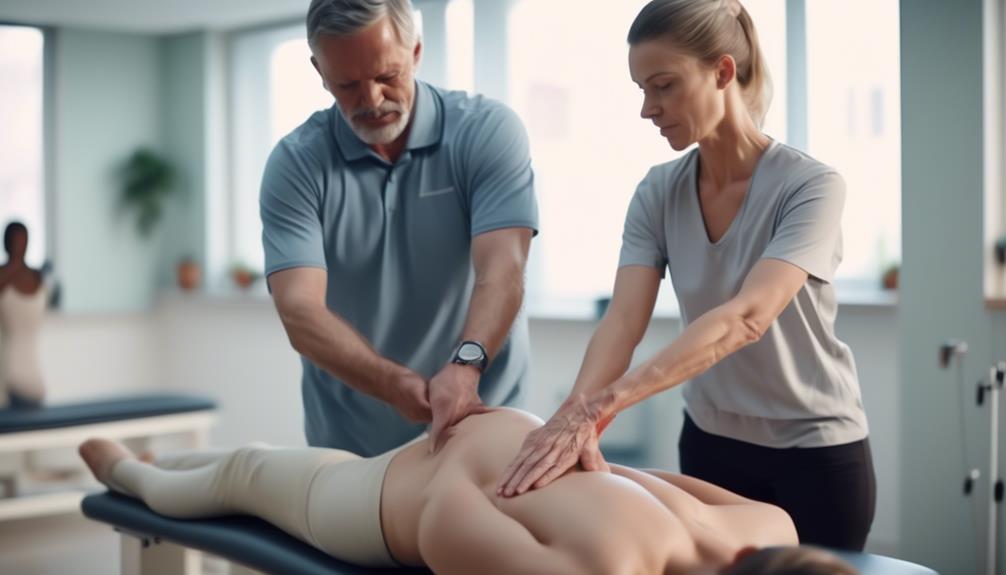
Undeniably, incorporating stretching and rehabilitation exercises into a patient’s chiropractic treatment plan offers substantial benefits, such as strengthening the back, enhancing flexibility, and improving overall posture. The importance of stretching and rehabilitation is often emphasised by chiropractors when addressing various posture issues.
These exercises, specifically tailored to the patient’s needs, can help alleviate common concerns like neck pain and low back issues. For instance, a study of 55 patients revealed a significant reduction in neck pain following a regime of targeted stretching and rehabilitation.
The role of bad posture in creating unnecessary strain and discomfort is quite significant. Through stretching and rehabilitation, the body can gradually realign itself, facilitating better posture and fewer associated problems. This is particularly beneficial for people who spend a considerable amount of time in sedentary positions, which often exacerbate posture-related issues.
Aside from the immediate relief, the long-term advantage of these exercises is the prevention of recurring injuries. Regular practice not only promotes healing but also sustains the benefits of chiropractic adjustments, making them a crucial part of any comprehensive treatment plan.
Thus, the importance of stretching and rehabilitation in maintaining optimal posture cannot be overstated.
Case Studies: Successful Posture Transformations
Examining real-life case studies provides a compelling insight into the transformative power of chiropractic care in significantly improving posture. These case studies reveal how chiropractic approaches have alleviated neck and lower back pain, rectified issues of one shoulder sitting or standing lower than the other, and encouraged the practice of sitting with feet flat on the ground.
Several individuals suffering from chronic aches and pains reported significant improvements following their personalised chiropractic treatment plans. Here are a few noteworthy transformations:
- A 35-year-old office worker, plagued with lower back pain due to prolonged sitting, experienced significant pain reduction and posture correction after a series of chiropractic adjustments.
- A 50-year-old woman, bearing the burden of one shoulder lower than the other, observed a balanced shoulder line after a few months of chiropractic care.
- A teenager with a habit of slouching, causing neck pain, improved his posture and eliminated discomfort after undergoing chiropractic therapy.
- A 45-year-old man, frequently standing with his weight on one foot, learned to stand with feet flat and evenly distribute his weight after chiropractic intervention.
- A senior citizen, suffering from aches and pains due to poor posture, experienced an improved quality of life following a holistic chiropractic approach.
These transformations underscore the potential of chiropractic care in not just improving posture, but also enhancing overall well-being.
Frequently Asked Questions
Can chiropractors actually correct posture?
Yes, chiropractors can improve posture through spinal manipulation, corrective exercises, and maintenance strategies. Despite some posture myths and chiropractic limitations, patient testimonials often highlight the significant chiropractic benefits in posture correction and overall health.
What Is the Best Professional to Fix Posture?
A physiotherapist is ideal for posture correction, using biomechanical analysis, ergonomic interventions, and posture assessment. They offer manual therapy, exercise prescription, postural rehabilitation, and potentially posture braces to help achieve improved posture and overall wellbeing.
Which doctor should I see for posture correction?
For posture correction, consult an orthopaedic doctor for initial assessment. They may recommend physiotherapy or occupational therapy. Neurologists can identify any nerve issues while posture devices aid in correction. Always follow your doctor’s recommendations.
What Is the Most Effective Chiropractic Technique?
The most effective chiropractic technique varies, taking into account technique effectiveness, patient experiences, and safety. Home exercises, chiropractic tools, treatment timelines, and insurance coverage also influence this. Individual patient needs ultimately determine the best therapeutic approach.