
Visit our Practice
27 Cascades Crescent
Give us a Call
+27 (0)33 347 0474
Send us a Message
clinic231@gmail.com
Opening Hours
Mon - Friday: 8AM - 4:30PM
Why Opt for Chiropractic Adjustments for Neck Alignment?

Why Opt for Chiropractic Adjustments for Neck Alignment?

If you’re seeking ways to maintain proper neck alignment, you’re not alone. Many people grapple with neck-related issues, searching tirelessly for effective solutions. Among the myriad of options, chiropractic adjustments have emerged as a compelling choice. Known for their ability to directly tackle neck alignment issues, these adjustments have garnered considerable attention. But what makes them stand out?

As an authority in the field, I’ve witnessed firsthand the transformative power of chiropractic care. By leveraging my extensive experience, I aim to shed light on how chiropractic adjustments can significantly improve neck alignment. Through this exploration, you’ll gain insights into why chiropractic adjustments have become a popular method for managing neck alignment issues, and what you might expect from such treatment.

Key Takeaways

  • Chiropractic adjustments for neck alignment provide immediate relief from soreness and pain.
  • These adjustments can restore proper spinal alignment and improve nerve function.
  • Chiropractic techniques reduce muscle spasms, relieve pressure, and improve neck mobility.
  • Chiropractic adjustments are safe and effective, with minimal risks when performed by qualified professionals.

Benefits of Chiropractic Neck Adjustments

What are the benefits of chiropractic neck adjustments and how can they improve overall health and well-being?

Chiropractic neck adjustments have been shown to provide immediate relief for some patients by restoring spinal alignment. Misalignment of the neck can lead to a host of problems, including headaches, neck pain, and restricted movement. By realigning the vertebrae in the neck, chiropractic adjustments can help alleviate these issues and improve overall health and well-being.

One of the main benefits of chiropractic neck adjustments is the restoration of spinal alignment. When the neck is misaligned, it can put pressure on the nerves and cause pain and discomfort. By gently manipulating the neck, chiropractors can restore proper alignment and relieve this pressure, resulting in reduced pain and improved mobility.

In addition to pain relief, chiropractic neck adjustments can also have a positive impact on overall health. Research has shown that spinal manipulation can help boost the immune system and improve the body’s ability to heal itself. By restoring proper nerve function and removing interference in the nervous system, chiropractic adjustments can enhance the body’s natural healing abilities.

It is important to note that chiropractic neck adjustments are generally safe and have minimal risks associated with them. However, it is essential to seek care from a qualified and licensed chiropractor to ensure the best possible outcomes.

How Chiropractic Adjustments Improve Neck Alignment

Chiropractic adjustments play a crucial role in improving neck alignment by addressing misalignments and restoring proper spinal alignment. Neck adjustments are a common technique used by chiropractors to alleviate neck pain and improve overall neck function. Here’s how chiropractic adjustments can improve neck alignment:

  • Muscle Spasm Reduction: Chiropractic adjustments can help reduce muscle spasms in the neck, which are often a result of misalignments. By applying gentle pressure and realigning the vertebrae, chiropractors can relieve muscle tension and promote relaxation.

  • Pressure Relief: Misalignments in the neck can cause pressure on the nerves, leading to pain and discomfort. Through chiropractic adjustments, this pressure can be relieved, allowing for improved circulation and reduced inflammation in the neck area.

  • Restoring Neck Mobility: Misalignments can restrict movement and cause stiffness in the neck. Chiropractic adjustments can restore proper alignment, improving neck mobility and flexibility. This can allow individuals to move their neck more freely and without pain.

The Role of Chiropractic Techniques in Neck Alignment

Chiropractic techniques play a crucial role in achieving and maintaining proper neck alignment.

These techniques involve targeted adjustments that can help restore the natural curvature of the spine, alleviate muscle tension, and improve overall biomechanics.

Through specific manual manipulations, chiropractors can address misalignments, reduce nerve impingement, and promote optimal neck function, leading to enhanced mobility, reduced pain, and improved quality of life for patients.

Importance of Alignment

The proper alignment of the neck plays a crucial role in maintaining overall spinal health and preventing a range of associated issues. Chiropractic adjustments are a highly effective method for achieving and maintaining proper alignment of the neck.

Here are three key reasons why alignment is important:

  • Relief from neck pain and headaches: Misalignment of the neck can cause tension, stiffness, and pain, leading to chronic headaches and discomfort. Chiropractic adjustments restore alignment, relieving pain and reducing the frequency and intensity of headaches.

  • Improved mobility and reduced muscle spasms: Misalignment in the neck can restrict movement and lead to muscle spasms. Chiropractic neck adjustments restore mobility, alleviate muscle tension, and improve flexibility, allowing for a greater range of motion.

  • Prevention of long-term complications: When the neck is misaligned, it can put pressure on the surrounding nerves, leading to long-term complications if left untreated. Regular chiropractic adjustments help maintain proper alignment, reducing the risk of nerve compression and associated health issues.

Benefits of Chiropractic

Proper alignment of the neck is not only essential for relieving pain and preventing long-term complications, but it also serves as a foundation for the numerous benefits that chiropractic techniques offer in improving overall health and well-being.

Chiropractic adjustments specifically target the neck alignment, aiming to restore spinal alignment and alleviate problems caused by misalignment. One of the immediate benefits of chiropractic adjustments is the relief experienced by some patients. By realigning the neck, chiropractic techniques can help reduce pain and discomfort.

Furthermore, correcting neck alignment can have a positive impact on other areas of health. Misalignment in the neck can lead to issues such as headaches, migraines, and even digestive problems. Chiropractic adjustments can help alleviate these problems by addressing the root cause.

Importantly, chiropractic services come with minimal risks, making them a safe and effective option for improving overall health and well-being.

Techniques for Neck Adjustment

Neck adjustment techniques play a crucial role in restoring proper alignment and function of the neck, addressing issues such as muscle spasms and relieving pressure and tension. Chiropractic treatments for the neck, also known as cervical spine adjustments, offer a range of techniques to achieve these goals.

Here are three commonly used techniques:

  • Diversified Technique: This hands-on approach involves the chiropractor applying a quick, controlled thrust to specific areas of the neck to realign the joints and restore mobility.

  • Gonstead Technique: This technique focuses on identifying misalignments through X-rays and using precise adjustments to target the affected areas of the neck.

  • Activator Method: This technique utilizes a handheld instrument called an activator to deliver gentle and precise adjustments to the neck without manual manipulation.

Key Reasons to Choose Chiropractic Adjustments for Neck Alignment

Choosing chiropractic adjustments for neck alignment offers numerous benefits. Firstly, these adjustments provide a range of benefits, including immediate relief for some patients and the restoration of spinal alignment to alleviate problems caused by misalignment.

Additionally, chiropractic adjustments for neck alignment can improve overall health and well-being by restoring neck mobility, reducing muscle spasms, and relieving pressure and tension in the neck.

With their non-invasive nature and minimal risks, chiropractic adjustments are a trusted option for those seeking expert care for their spinal health.

Benefits of Adjustments

Chiropractic adjustments offer immediate relief and restore spinal alignment, providing a host of benefits for those seeking to improve their neck alignment and overall health. Here are some key benefits of chiropractic adjustments:

  • Alleviates a range of problems: Misalignment in the neck can cause various issues such as headaches, neck pain, and stiffness. Chiropractic adjustments can help alleviate these problems by realigning the spine and reducing pressure on the nerves.

  • Improves overall health: When the spine is properly aligned, it allows for optimal nerve function, which is crucial for overall health and well-being. Chiropractic care can improve the body’s ability to heal itself and enhance the immune system.

  • Minimal risks: Compared to other treatment options, chiropractic adjustments have minimal risks. They are non-invasive and drug-free, making them a safe and natural approach to neck alignment.

Non-Invasive Neck Alignment

With its ability to alleviate a range of problems associated with misalignment in the neck, chiropractic adjustments offer a safe and effective solution for those seeking non-invasive neck alignment. Chiropractors use their hands or specialized tools to apply controlled force to the spine, helping to restore proper alignment and mobility in the neck. This can relieve pressure and tension, improve flexibility, and promote overall well-being. Unlike invasive procedures or surgeries, chiropractic adjustments are considered non-invasive therapies, meaning they do not require incisions or anesthesia. Many patients find immediate relief after a chiropractic adjustment, and regular chiropractic care can provide long-term benefits such as improved athletic performance, increased blood flow to the brain, and relief from allergy symptoms and digestive issues.

Benefits of Chiropractic Adjustments for Neck Alignment
– Alleviates problems associated with neck misalignment
– Restores neck mobility and relieves pressure and tension
– Safe and non-invasive procedure
– Improves flexibility, athletic performance, and blood flow to the brain
– Provides relief from allergy symptoms and improves digestion

Expertise in Spinal Care

One of the key reasons to consider chiropractic adjustments for neck alignment is the expertise in spinal care that chiropractors possess. Chiropractors undergo years of specialized training and education to develop a deep understanding of the spine and its intricate workings. Their expertise allows them to effectively assess and diagnose misalignments in the neck and provide targeted adjustments to restore proper alignment.

Here are three ways chiropractors demonstrate their expertise in spinal care:

  • Chiropractors have an in-depth knowledge of the musculoskeletal system, enabling them to identify the underlying causes of neck misalignment and develop personalized treatment plans.

  • They use specific techniques and adjustments to gently manipulate the vertebrae in the neck, reducing muscle spasms, relieving pressure, and improving overall neck function.

  • Chiropractors prioritize patient safety and employ safe, non-invasive methods for neck adjustments, ensuring minimal associated risks.

What to Expect During Chiropractic Neck Adjustments

During chiropractic neck adjustments, it is crucial to maintain a state of complete relaxation. This allows the chiropractor to perform the adjustment more effectively and helps to minimize any discomfort or tension during the process. When you visit a chiropractor for a neck adjustment, here is what you can expect:

ExpectationsExplanation
Cracking or popping soundsYou may hear cracking or popping sounds during the adjustment. These sounds are normal and are caused by the release of gas bubbles in the joints as they are realigned. Although it may sound alarming, it is not painful and is simply the result of the adjustment.
Immediate relief from soreness and painOne of the immediate benefits of chiropractic neck adjustments is relief from soreness and pain. By realigning the joints in the neck, pressure on nerves and muscles is reduced, providing relief from discomfort and allowing for improved mobility.
Comprehensive treatment planChiropractic neck adjustments are often just one component of a comprehensive treatment plan. Depending on your specific condition, your chiropractor may recommend additional therapies such as stretching exercises, massage, or heat therapy to further support your neck health.
Restoration of neck mobilityNeck adjustments can help to restore neck mobility by addressing restrictions and imbalances in the joints. This can result in improved range of motion and increased flexibility in the neck.
Reduction of muscle spasmsMuscle spasms in the neck can be painful and restrict movement. Chiropractic neck adjustments can help to reduce muscle spasms by realigning the joints and relieving tension and pressure on the surrounding muscles.
Relief from pressure and tension in the neckPressure and tension in the neck can cause discomfort and even lead to headaches. Chiropractic neck adjustments can help to relieve this pressure and tension by realigning the joints and promoting better circulation and nerve function.

Chiropractic neck adjustments offer a non-invasive and drug-free treatment option for individuals experiencing neck pain, stiffness, or reduced mobility. By understanding what to expect during these adjustments, you can approach your treatment with confidence and better support your overall neck health.

Safety and Effectiveness of Chiropractic Adjustments for Neck Alignment

Chiropractic adjustments for neck alignment have been shown to be safe and effective in providing immediate relief and restoring spinal alignment. When it comes to neck alignment, chiropractic adjustments offer several benefits:

  • Immediate relief: Chiropractic adjustments can provide immediate relief to patients suffering from neck pain and discomfort. The targeted manipulation of the spine helps alleviate problems caused by misalignments, reducing pain and improving mobility.

  • Restores spinal alignment: Chiropractors use specific techniques to realign the vertebrae in the neck, restoring proper spinal alignment. This can help alleviate tension, improve nerve function, and promote overall health and well-being.

  • Minimal risks: Chiropractic services for neck alignment are generally safe and carry minimal risks. Chiropractors undergo extensive training and are skilled in performing these adjustments safely. However, it is essential to consult with a qualified chiropractor and disclose any pre-existing conditions or concerns before undergoing treatment.
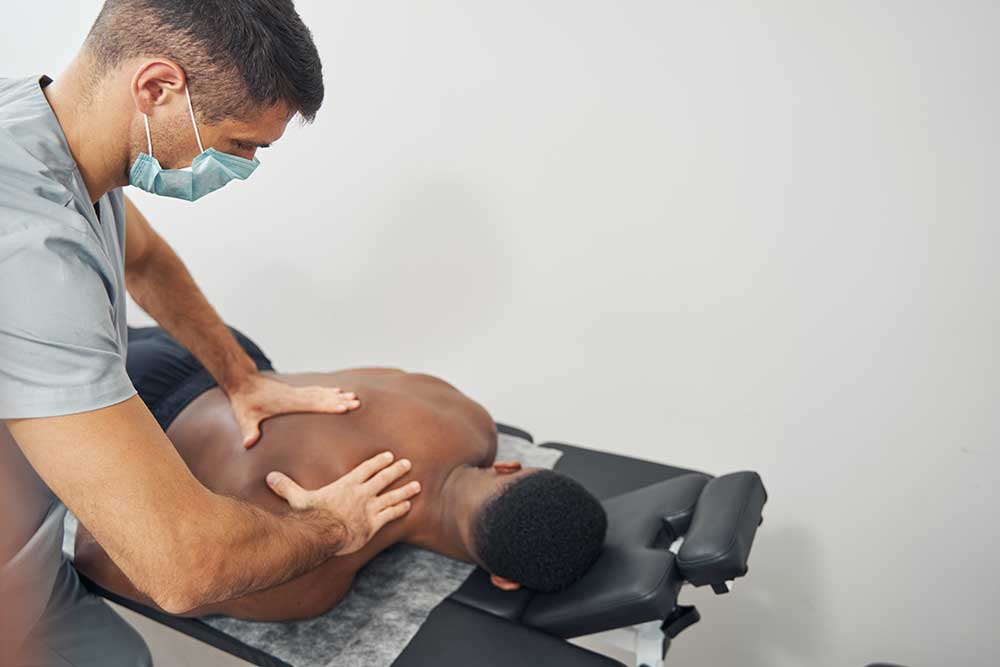

Advanced Chiropractic Techniques for Athletes

7 Advanced Chiropractic Techniques for Athletes

A myriad of advanced techniques, such as Active Release Technique (ART), Kinesiology Taping, and active rehabilitation exercises, have been introduced, each aiming to address specific areas of concern, improve muscle function, and promote a greater range of motion.

Key Takeaways

  • Chiropractic techniques such as spinal manipulation, Active Release Technique (ART), and the Graston Technique can effectively alleviate discomfort, improve joint function, and enhance athletic performance for athletes.
  • Supportive techniques like Kinesio Taping and active rehabilitation exercises play integral roles in comprehensive treatment plans, promoting stability, pain relief, improved circulation, and injury recovery.
  • Instrument-Assisted Soft Tissue Mobilisation (IASTM) and soft tissue techniques target specific areas of the body to reduce muscle tightness, improve flexibility, and enhance overall tissue function and joint mobility.
  • Advanced stretching techniques such as Proprioceptive Neuromuscular Facilitation (PNF) and Functional Range Conditioning (FRC) can significantly improve flexibility, strength, neuromuscular control, athletic performance, and injury prevention for athletes.

Spinal Manipulation

Spinal manipulation, a highly skilled technique performed by chiropractors, involves the manual adjustment of the spine to restore mobility, correct misalignments, and alleviate discomfort in athletes. This specialised form of chiropractic treatment aims to improve joint function, reduce nerve irritability, and optimise athletic performance. Athletes often experience back pain, neck pain, and headaches due to the physical demands of their sport. Spinal manipulation provides a non-invasive and drug-free approach to addressing these issues.

By applying controlled force to specific areas of the spine, chiropractors can restore proper alignment and alleviate pain in athletes. This technique also helps to improve range of motion, flexibility, and overall athletic abilities. When the spine is properly aligned, it allows for optimal nerve function, which can enhance athletic performance.

Moreover, spinal manipulation can also prevent injuries by ensuring that the musculoskeletal system is functioning at its best. It can help athletes recover from injuries faster and reduce the risk of future injuries. By addressing any imbalances or misalignments in the spine, chiropractors can help athletes achieve and maintain peak physical condition.

Active Release Technique

Active Release Technique (ART) is a highly effective manual therapy that focuses on breaking down adhesions in muscles and improving their function. This specialised form of treatment is commonly used in chiropractic care for athletes to enhance their performance and reduce the risk of injury.

Here are four key points about the Active Release Technique:

  1. Evaluation of Soft Tissue: During an ART session, the practitioner evaluates the texture, tightness, and movement of muscles, tendons, ligaments, and fascia. This hands-on assessment helps identify areas of restriction and dysfunction.

  2. Treatment of Overused Muscles: ART is particularly beneficial for athletes who engage in repetitive movements that can lead to muscle pulls, tears, and inflammation. By targeting these overused muscles, ART aims to alleviate pain and restore normal function.

  3. Addressing a Wide Range of Conditions: ART has been found to effectively treat various conditions commonly experienced by athletes, including headaches, back pain, carpal tunnel syndrome, shin splints, shoulder pain, sciatica, plantar fasciitis, knee problems, and tennis elbow.

  4. Enhancing Athletic Performance: By breaking down adhesions and restoring optimal tissue function, ART helps to improve range of motion, muscular strength, and overall athletic performance. It also aids in the prevention of future injuries.

Graston Technique

During a chiropractic session for athletes, another effective manual therapy technique that can be utilised to address soft tissue restrictions and promote healing is the Graston Technique. This technique involves the use of stainless steel instruments to target and treat areas of scar tissue, fascial restrictions, and muscle tightness. The Graston Technique is particularly beneficial for athletes as it can help improve movement, reduce pain and inflammation, and expedite recovery from sports-related injuries.

One of the key advantages of the Graston Technique is its ability to break down scar tissue and fascial restrictions. Scar tissue can develop as a result of repetitive stress, trauma, or surgery, leading to pain, limited range of motion, and decreased athletic performance. By using the specialised instruments, chiropractors can effectively break down this scar tissue, promoting tissue repair and regeneration.

Furthermore, the Graston Technique has been found to be effective in treating various conditions commonly experienced by athletes, such as Achilles tendinosis, carpal tunnel syndrome, and plantar fasciitis. By targeting and treating the underlying soft tissue restrictions, athletes can experience improved function, reduced pain, and enhanced performance.

Incorporating the Graston Technique into chiropractic care for athletes can help address not only spinal misalignments but also the soft tissue restrictions that can hinder performance and recovery. By utilising this advanced chiropractic technique, athletes can optimise their athletic potential and expedite their journey towards peak performance.

Kinesio Taping

Kinesio Taping is a specialised taping technique used to provide support, stability, and pain relief to muscles and joints during athletic activities. This technique is commonly used in chiropractic care for athletes as part of their treatment plan to help them recover from injuries and improve their performance.

Here are four key facts about Kinesio Taping:

  1. Facilitates Natural Movement: Kinesio Taping allows athletes to move naturally while still receiving the necessary support and pain relief. This technique aims to enhance athletic performance by enabling athletes to maintain proper form and function during activities.

  2. Improves Circulation and Reduces Inflammation: The taping method is designed to improve blood and lymphatic circulation, which can help reduce inflammation in the taped area. By promoting better circulation, Kinesio Taping supports the body’s natural healing process and aids in a quicker recovery.

  3. Corrects Muscle Function and Posture: Kinesio Taping can help correct muscle imbalances and improve posture during athletic performance. By providing support to the muscles and joints, it helps athletes maintain optimal alignment and reduces the risk of compensatory injuries.

  4. Supports Injury Recovery and Performance Enhancement: This taping technique is often used to support injured areas and facilitate the healing process. Additionally, Kinesio Taping can help prevent future injuries and contribute to improved performance by providing stability and pain relief.

Active Rehabilitation Exercises

Active rehabilitation exercises are integral components of a comprehensive treatment plan for athletes, providing targeted interventions tailored to their specific injuries or conditions to aid in recovery and enhance overall performance. These exercises play a crucial role in helping athletes regain functionality, prevent re-injury, and improve performance.

Designed to improve strength, flexibility, balance, and coordination, active rehabilitation exercises are essential for an athlete’s optimal performance. By actively participating in their own rehabilitation process, athletes are engaged and empowered, leading to better outcomes.

Active rehabilitation exercises may include targeted movements, stretches, and resistance training to address specific weaknesses and imbalances. These exercises are carefully selected to target the affected area, promoting healing and restoring function. For example, athletes with back pain may benefit from exercises that strengthen the core and improve spinal stability.

Chiropractic treatment often incorporates active rehabilitation exercises to complement other treatment modalities. Chiropractors are trained to assess an athlete’s range of motion, strength, and functional abilities to develop a personalised exercise programme. These exercises are designed to address the underlying causes of injury, rather than just treating the symptoms.

Instrument-Assisted Soft Tissue Mobilisation

Instrument-Assisted Soft Tissue Mobilisation (IASTM) is a technique that utilises specialised tools to address soft tissue restrictions and adhesions in athletes.

The benefits of IASTM include breaking down scar tissue, improving blood flow, and promoting tissue healing.

These tools are designed to target specific areas of the body, allowing chiropractors to effectively reduce pain, improve range of motion, and enhance athletic performance.

Benefits of IASTM

IASTM, also known as Instrument-Assisted Soft Tissue Mobilisation, is a highly effective technique used by chiropractors to improve tissue healing, reduce pain and inflammation, enhance flexibility and range of motion, and optimise athletic performance.

Here are the benefits of IASTM:

  1. Improved tissue healing: IASTM promotes blood flow to the injured area, facilitating the delivery of oxygen and nutrients to the tissues, which aids in the healing process.

  2. Reduced pain and inflammation: By breaking down scar tissue and adhesions in muscles and tendons, IASTM helps alleviate pain and reduce inflammation, allowing athletes to recover faster.

  3. Enhanced flexibility and range of motion: IASTM targets tight muscles and fascia, improving flexibility and increasing range of motion, which can enhance athletic performance and prevent future injuries.

  4. Optimised athletic performance: By addressing soft tissue restrictions and imbalances, IASTM can optimise tissue health and function, thus improving an athlete’s overall performance.

Incorporating IASTM into chiropractic care can provide athletes with significant benefits, allowing them to recover faster, perform better, and stay at the top of their game.

Techniques and Tools Used

Chiropractors utilise specialised tools and techniques to target soft tissue restrictions and scar tissue in a technique known as Instrument-Assisted Soft Tissue Mobilisation (IASTM). These tools allow chiropractors to apply precise and controlled pressure to break down adhesions and improve tissue mobility.

IASTM is particularly beneficial for athletes as it can help reduce muscle tightness, improve flexibility, and enhance overall tissue function. By incorporating IASTM into their treatment plans, chiropractors can assist athletes in enhancing their athletic performance, improving joint mobility, preventing injuries, and achieving a greater range of motion.

This technique is especially valuable for athletes dealing with chronic muscle tightness or scar tissue buildup from repetitive strain. As a complement to manual therapies, IASTM offers a targeted approach to addressing soft tissue restrictions in athletes, providing them with the care they need to excel in their chosen sport.

Proprioceptive Neuromuscular Facilitation

Proprioceptive Neuromuscular Facilitation (PNF) techniques are a valuable addition to chiropractic care for athletes.

PNF involves a combination of stretching and muscle contraction to enhance flexibility and improve neuromuscular control.

PNF Techniques Explained

PNF Techniques, also known as Proprioceptive Neuromuscular Facilitation, are a highly effective method used by chiropractors to improve flexibility, strength, and overall muscle function in athletes. These techniques involve stretching and contracting muscles to enhance range of motion and optimise performance.

Here are four key aspects of PNF Techniques:

  1. Stretching and Contraction: PNF Techniques utilise a combination of stretching and contraction to stimulate the neuromuscular system and improve muscle function.

  2. Partner Involvement: PNF typically involves a partner who assists in facilitating the stretching and contraction of targeted muscles, ensuring proper technique and maximising results.

  3. Athletic Performance Enhancement: By improving flexibility, strength, and muscle function, PNF Techniques can enhance an athlete’s performance, allowing them to move more efficiently and effectively.

  4. Injury Rehabilitation and Prevention: Incorporating PNF into a comprehensive chiropractic care plan can help athletes recover from injuries and reduce the risk of future injuries. These techniques address imbalances, improve muscle coordination, and promote overall functional movement patterns.

Benefits of PNF

One of the significant benefits of incorporating PNF techniques into chiropractic care is the improvement it provides in flexibility, strength, and neuromuscular control for athletes.

PNF facilitates increased flexibility and strength through muscle contraction and relaxation, allowing athletes to achieve better joint mobility and range of motion.

By improving proprioception and neuromuscular control, PNF helps athletes enhance their performance on the field. It promotes functional movement patterns and coordination necessary for sports activities.

Additionally, PNF techniques aid in the prevention of injuries by improving muscle coordination and balance.

Chiropractic adjustments combined with PNF can be included in athletes’ treatment plans to help them recover from sports-related injuries more effectively.

Functional Range Conditioning

Functional Range Conditioning (FRC) is a scientifically-driven training system designed to enhance mobility, strength, and body control for athletes by utilising specific protocols and principles. This approach focuses on improving overall health and optimising function by targeting the spine and extremities.

Here are four key aspects of Functional Range Conditioning:

  1. Expanded Ranges of Motion: FRC aims to expand usable ranges of motion, allowing athletes to achieve peak performance without compromising joint integrity. By gradually increasing the range of motion in a controlled manner, athletes can improve their flexibility and reduce the risk of injuries.

  2. Increased Strength within Ranges: FRC emphasises the development of strength within the expanded ranges of motion. This approach enables athletes to move with greater control and stability, enhancing their ability to perform complex movements and reduce the risk of muscle imbalances.

  3. Individualised Approach: FRC techniques can be tailored to address specific limitations and goals for athletes. By identifying areas of weakness or restricted mobility, chiropractors can develop personalised training programmes to optimise an athlete’s performance and reduce pain.

  4. Scientifically-Backed Principles: FRC is based on scientific principles that enhance tissue resilience, joint health, and overall movement capacity. The system utilises progressive and systematic training methods to achieve measurable improvements in mobility and function.

Conclusion

In the end, achieving athletic greatness is not just about logging hours on the pitch or track; it is about equipping your body with the finest tools to perform, recover, and endure. Just like a high-performance sports car requires precise tuning and expert mechanics, your body thrives when supported by advanced techniques like ART, Graston, Kinesio Taping, IASTM, PNF, and FRC. These are not merely passing trends but powerful, scientifically grounded strategies that redefine what your muscles and joints can achieve.

You do not have to navigate these advanced therapies alone or let lingering stiffness dictate your next match. Whether you are aiming for a personal best on the golf course or looking to speed up your recovery after an intense rugby season, integrating these methods into your routine is the key to unlocking your true athletic potential. Why settle for average when you have access to treatments designed to take you further, faster, and stronger?

If you are ready to upgrade your performance and leave those frustrating aches in the dust, it is time to take action. Make a booking with us and let our expert team fine-tune your body for the win. We are here to keep you moving flawlessly, so you can focus on conquering your next athletic challenge with absolute confidence!

Cascades Chiropractors 11

Best Safe Chiropractic Techniques for Children

Paediatric health can often feel like a maze, leaving parents on a quest for the safest and most effective treatments for their little ones. While professional spinal care is increasingly recognised as a superb tool in the paediatric health arsenal, understanding which techniques are best suited for a child’s unique needs can be daunting.

With a deep understanding of these concerns, we have carefully outlined the safest spinal techniques specifically used for children. These methods are not only gentle and paediatric-specific but are also backed by extensive clinical research.

Through these techniques, we address a gamut of paediatric conditions—from poor physical development and growing pains to sleep issues—thereby supporting the healthy development and well-being of your child.

With this information, parents can feel empowered to make informed decisions about their child’s physical health. Let us explore these valuable techniques that can positively shape the health landscape for your children.

Key Takeaways

  • Chiropractic care for children involves extremely safe, highly appropriate physical adjustments that support growing spines and improve nervous system function.
  • Paediatric-specific techniques are used to cater to the unique needs of infants and growing children, such as the Activator Method and Cranial-Sacral Therapy.
  • Professional care for children has numerous benefits, including improved sleep, better physical balance, and strong structural health.
  • Open communication between parents, chiropractors, and paediatricians is essential for ensuring complete safety and effective care.

Spinal Adjustments for Kids

Spinal adjustments, a gentle and tailored technique used by chiropractors, are a safe and effective way to support a growing spine and improve nervous system function in children. Paediatric physical adjustments aim to optimise the health of children by ensuring that their spines are developing properly. This is vital because the spine houses the nervous system, which coordinates all body functions. By checking and adjusting the spine, practitioners can help alleviate discomfort and promote healthy growth.

The safety of paediatric care is an absolute priority. Chiropractors undergo extensive training to understand the unique structural needs of children and perform adjustments that are entirely safe and appropriate for their developing bodies. These adjustments are incredibly gentle and non-invasive, ensuring the absolute comfort of young patients during treatment.

The benefits of a healthy spine extend beyond simple pain relief. Children who receive regular structural checks often experience improved sleep, better posture, and greater physical comfort. Additionally, gentle physical adjustments can help address common paediatric conditions, such as growing pains and physical tension associated with colic.

Clinical research consistently shows that paediatric adjustments are safe and well-tolerated by children. Studies confirm that adverse events associated with this type of care in children are exceptionally rare, strongly supporting the safety and efficacy of professional paediatric treatments.

Paediatric-Specific Techniques

Paediatric-specific techniques are designed specifically to cater to the unique physical needs of infants and growing children. These methods involve extremely gentle movements that put the safety and comfort of young bones and muscles first.

Gentle Care for Infants

Gentle corrections tailored specifically for infants are a core component of paediatric care, ensuring the safety of their rapidly developing bodies. Professional practitioners recognise the unique needs of infants and use highly specialised, low-force techniques to address their delicate frames.

These gentle adjustments are designed purely to support the healthy development of young bones. Chiropractors understand that infants require a completely different approach than adults. By using safe and incredibly gentle techniques, practitioners can effectively address early postural habits and physical tension in babies.

It is important to note that paediatric care is not simply a scaled-down version of adult treatment, but rather a highly specialised approach that prioritises the well-being of the child. Through these gentle checks, infants experience the benefits of structural support in a safe and nurturing environment.

Techniques for Growing Bodies

Techniques tailored for growing bodies prioritise the physical development of children by employing safe and specialised approaches. Paediatric care recognises the unique mechanical needs of children and aims to support their physical structure as they grow.

Here are three techniques commonly used for paediatric spinal health:

  1. Cranial-Sacral Therapy: This gentle technique focuses on the bones of the skull and spine, promoting proper balance and physical comfort. It is highly effective for addressing physical tension that contributes to sleep disturbances and nursing difficulties.

  2. Activator Method: Using a small handheld instrument, chiropractors apply a highly precise and incredibly gentle tap to correct spinal mechanics. This technique is perfect for children who might be apprehensive about manual adjustments.

  3. Thompson Technique: This technique uses a specialised table that drops very slightly, allowing the practitioner to apply gentle, specific corrections. It is excellent for correcting postural imbalances safely.

Activator Method

The Activator Method, a specialised structural technique, employs a small handheld instrument to deliver precise, low-force adjustments to the spine, making it an incredibly safe option for addressing physical issues in children. This gentle technique is specifically designed to be comfortable for paediatric patients. By using the Activator, a practitioner can accurately target specific areas of the spine and apply controlled, light pressure to restore proper movement without manual manipulation.

The Activator Method is completely non-invasive and aims to address physical issues in children with zero discomfort. This technique is particularly beneficial for growing bodies as it helps promote proper mechanical development.

Here is a breakdown that illustrates the benefits of the Activator Method in paediatric care:

Benefits of Activator Method for Children
1. Precise adjustments to the spine
2. Gentle and exceptionally low-force technique
3. Non-invasive and completely safe
4. Minimal discomfort for paediatric patients

The safety of structural care is paramount, especially when treating children. The Activator Method provides a highly reliable and effective option for addressing physical issues in young patients, ensuring their comfort and promoting optimal physical development.

Cranial-Sacral Therapy

Cranial-Sacral Therapy offers a range of potential physical benefits for children, including improved structural balance, reduced physical tension, and enhanced muscular function.

It is crucial to ensure the safety of children undergoing this therapy. Practitioners exercise extreme caution and adapt their techniques entirely to the specific needs and age of the child, ensuring that the therapy is gentle, non-invasive, and completely appropriate for their body.

Benefits of Cranial-Sacral Therapy

The physical benefits of Cranial-Sacral Therapy (CST) make it a safe choice for supporting a child’s development. Here are three key benefits of CST for children:

  1. Improved spinal balance: CST involves extremely gentle touches tailored specifically for young spines. These physical checks promote proper balance, which is crucial for a child’s structural health.

  2. Enhanced physical development: Practitioners use specialised CST techniques designed with kids in mind. By addressing any restrictions in the cranial-sacral system, CST supports optimal physical growth.

  3. Management of paediatric tension: CST has been shown to help manage physical tension that leads to issues like sleep problems. Research supports the safety of CST for children, emphasising the importance of gentle, professional care.

Safety Precautions for Children

To ensure the safety and comfort of children receiving Cranial-Sacral Therapy, professionals employ incredibly gentle touches tailored to their young bodies. Caring for children requires specialised knowledge and skills to adjust techniques for their delicate frames.

It is important to remember that paediatric care is not simply small-scale adult care; it is an entirely different approach that considers the unique physical needs of children. Research supports the safety and efficacy of professional paediatric care, emphasising safe and gentle techniques.

Open communication between parents, chiropractors, and paediatricians is crucial to ensure the best care for children. By prioritising safety and employing proven techniques, practitioners provide excellent support for the physical health of children.

Myofascial Release

Myofascial Release is a highly effective and safe hands-on technique used to relieve physical tension, improve motion, and enhance overall physical comfort in children. This technique focuses on the fascia, a connective tissue that surrounds and supports muscles. By applying gentle, sustained pressure to the tissue, tightness can be released, allowing for improved flexibility and physical ease.

Here are three key benefits of Myofascial Release for children:

  1. Alleviates physical tension: Myofascial Release is particularly useful in addressing muscular tightness in children. Conditions such as growing pains, postural imbalances, and minor sports injuries can be effectively managed. By releasing tension and restoring proper mechanics, children experience greater comfort.

  2. Integrated physical approach: Structural care that incorporates Myofascial Release offers a comprehensive approach to children’s musculoskeletal health. It addresses the underlying physical causes of discomfort, promoting excellent physical performance.

  3. Safe and gentle: Myofascial Release is a remarkably safe and gentle technique for children when performed by skilled practitioners. It involves applying very controlled, light pressure and does not involve any forceful movements. This makes it highly suitable for children of all ages, ensuring their absolute comfort during treatment.

Webster Technique

The Webster Technique is a physical adjustment that offers major benefits during pregnancy. It helps promote optimal pelvic balance, reduces tension in the sacral area, and supports healthy structural function.

This technique is safe and non-invasive, making it an excellent option for pregnant women seeking a more comfortable physical experience during pregnancy.

Benefits of Webster Technique

The Webster Technique, focused strictly on pelvic balance and reducing physical constraint, offers superb physical benefits for both pregnant women and babies.

Benefits of Webster Technique:

1) Optimal physical space: By promoting proper mechanical alignment and balance in the pelvis, the Webster Technique helps ensure optimal physical space for the baby. This can ease the physical demands of the birth process.

2) Safe and gentle: The Webster Technique is a highly non-invasive and safe option. It involves extremely gentle corrections to the sacrum to reduce structural tension and optimise pelvic biomechanics.

3) Alleviation of physical discomfort: This technique helps alleviate pregnancy-related physical discomforts, such as lower back pain and pelvic instability. By restoring proper physical alignment, it supports the mother’s body beautifully.

Safety of Webster Technique

The safety of the Webster Technique, an approach focused entirely on pelvic alignment, has been extensively studied and proven to be a highly reliable and secure method. This physical technique is widely used in care to address structural issues and promote proper spinal alignment, contributing heavily to overall physical comfort. Practitioners who utilise the Webster Technique are trained to provide exceptionally gentle and tailored corrections, ensuring safety and comfort at all times. The technique aims to support the body’s physical balance. By optimising pelvic biomechanics, the Webster Technique plays a crucial role in maintaining spinal health.

 Safety of Webster Technique
1Extensively studied and proven completely safe for pregnant women.
2Addresses physical issues and promotes proper structural alignment.
3Professionals provide gentle and highly tailored care to ensure safety and comfort.

When to Use Webster Technique

When considering the Webster Technique, it is important to evaluate the physical circumstances of the pregnancy in order to optimise its effectiveness and ensure complete safety. Here are three key factors to consider when determining when to use the Webster Technique:

  1. Physical pelvic imbalance: The technique is commonly used when a mother experiences physical imbalance in her pelvis. By balancing the pelvic structure and reducing physical stress on the supporting ligaments, the Webster Technique aims to facilitate optimal pelvic mechanics.

  2. Throughout pregnancy: The Webster Technique is highly beneficial when employed throughout the pregnancy to maintain optimal physical balance. The goal is to create an ideal physical environment for a comfortable process.

  3. Physical comfort: The technique focuses on sacral and pelvic checks to enhance the mother’s physical comfort. By improving structural alignment and reducing physical tension, professional care using the Webster Technique supports a smoother physical experience.

Thompson Drop Technique

Utilising a specialised table with adjustable drop sections, the Thompson Drop Technique offers a highly safe and precise method for gentle correction of physical misalignments in children. This technique is a popular choice in paediatric care due to its incredible effectiveness and safety. By using physical leg length analysis, the practitioner can identify specific areas of the spine that require mechanical attention. With the drop mechanism, the table allows for a highly controlled and gentle correction, dramatically minimising the physical force applied to the child’s body.

The Thompson Drop Technique is designed to provide a comfortable and physically effective experience for children. It ensures that the correction is only applied to the specific structural segment that needs assistance, reducing the overall force required to almost zero. This makes it an incredibly safe and gentle option for addressing paediatric physical issues.

The Thompson Drop Technique is a widely recognised and deeply trusted method for providing safe and effective physical treatment to children. Its precision and ultra-low-force thrust make it a highly suitable option for children of all ages, from infants to teenagers. The technique aims to restore proper spinal mechanics safely.

Logan Basic Technique

The Logan Basic Technique, a wonderfully gentle and low-force physical technique, can be effectively utilised in children to restore proper structure and improve physical function. This technique focuses heavily on balancing the sacrum, which has a massive positive impact on the entire body’s physical structure.

Here are three key benefits of the Logan Basic Technique for children:

  1. Addressing physical issues: Children often experience physical problems due to factors such as poor posture, heavy school bags, or growth spurts. The Logan Basic Technique helps address these issues by gently balancing the spine and relieving physical tension in the muscles.

  2. Managing structural curves: Structural issues like scoliosis can cause physical discomfort and affect a child’s stance. The Logan Basic Technique can be highly beneficial for children with structural curves, as it aims to restore proper balance and reduce physical tension along the spine.

  3. Safe and non-invasive physical approach: Professional physical care, including the Logan Basic Technique, is a perfectly safe and non-invasive method to address structural issues in children. By using extremely gentle pressure and highly specific hand placements, practitioners help children achieve optimal physical alignment safely.

Gonstead Technique

Children can also benefit massively from physical care through the Gonstead Technique, which involves highly thorough examination procedures and specific, targeted corrections to resolve spinal issues in a safe and natural manner. This technique is a brilliant, drug-free, and physical approach to healthcare, focusing entirely on structural principles for safe and effective care for kids of all ages.

Numerous case studies highlight the effectiveness of specific Gonstead care in reducing physical tension in children. Physical corrections through the Gonstead Technique improve bodily comfort, aid in proper physical development, and reduce the risk of future structural problems as the child grows.

The Gonstead Technique places immense emphasis on structural alignment, operating on the mechanical fact that misalignments interfere with the body’s physical ability to function optimally. By correcting these structural faults through highly specific adjustments, the body functions far more efficiently, leading to improved physical comfort in children.

Paediatric physical care using the Gonstead Technique is a highly safe and targeted treatment option. Professionals who treat children have extensive training and expertise in adapting the technique for small bodies. They understand the unique physical needs of young patients and provide highly appropriate corrections that are perfectly safe and suitable for their age and size.

SOT (Sacro Occipital Technique)

The SOT (Sacro Occipital Technique) is a highly specific physical approach that focuses on the structural relationship between the sacrum (base of the spine) and the occiput (base of the skull). This technique is specifically designed to address structural dysfunctions in children, making it a brilliant, safe, and effective option for paediatric physical care.

Here are three key aspects of the SOT technique:

  1. Gentle and Specific Physical Corrections: SOT utilises highly gentle and very specific touches to restore proper physical function to the spine. These touches are tailored entirely to the unique size of children, ensuring their complete safety and comfort during the process.

  2. Indicators for Physical Imbalances: SOT incorporates various physical indicators to identify structural imbalances in the body. Soft padded pelvic blocks are commonly used to gently assess and correct pelvic twists, while cranial checks are employed to address physical tension related to the skull. By addressing these physical imbalances, SOT aims to promote highly comfortable physical function in children.

  3. Non-Invasive Physical Approach: SOT is a completely non-invasive physical technique. This makes it an incredibly safe option for children. Furthermore, SOT focuses on highly gentle and extremely subtle physical checks, ensuring a wonderfully comfortable experience for young patients.

Wrapping Up

At the end of the day, handing your child over for any kind of physical treatment can feel nerve-wracking, but it really doesn’t have to be. As you have seen, paediatric spinal care is lightyears away from the heavy-handed cracks and pops people often imagine. From the ultra-light tap of an Activator tool to the soft, settling drop of a Thompson table, these techniques are designed specifically with tiny, growing bodies in mind. They are as safe as they are effective, focusing purely on keeping your child’s physical structure balanced, comfortable, and ready for all the running, jumping, and tumbling that childhood brings.

If your little one is struggling with growing pains, physical tension, or just seems a bit physically unsettled, a gentle structural check could be exactly what they need to thrive. You don’t have to guess or worry when it comes to their physical health; expert, safe, and tailored care is readily available to support them every step of the way.

Ready to give your child the best possible physical start? If you want to ensure their spine is developing perfectly and they are moving with absolute ease, contact us at Cascades Chiropractors. We absolutely love working with families and keeping the next generation healthy and active. Make a booking with us today, and let’s get your child checked, balanced, and ready to take on the world!

Why Are These Chiropractic Techniques Best for Back Pain?

Why Are These Chiropractic Techniques Best for Back Pain?

Plagued by persistent back pain, you’re not alone. Indeed, this common ailment disrupts the lives of millions globally, often causing discomfort, limiting mobility, and diminishing overall quality of life. A beacon of hope for many is found in chiropractic care, a holistic approach that delves into the root causes of the pain, offering more than just a temporary reprieve.

As the trusted choice for countless individuals, these chiropractic techniques have emerged as champions in the fight against back pain. Their strength lies in the manual adjustments, manipulation techniques, and other therapies that aim to return the spine to its rightful alignment, alleviate nerve pressure, and ease muscle and joint tension.

In the coming discourse, we’re set to delve into why these techniques are earning the title of ‘best for back pain’. As we journey together, you’ll discover the compelling evidence and expert testimonies that underscore their effectiveness.

Key Takeaways

  • Spinal manipulation, Active Release Technique (ART), Flexion-Distraction Technique, and Cox Flexion-Distraction Technique are effective chiropractic techniques for treating back pain.
  • These techniques address various causes of back pain, including spinal misalignments, muscle tightness, nerve pressure, and disc herniation or spinal stenosis.
  • They provide non-invasive and drug-free treatment options for both acute and chronic back pain.
  • These chiropractic techniques improve spinal function, reduce inflammation, relieve pain, restore range of motion, and promote natural healing.

Spinal Manipulation

Spinal manipulation, a non-invasive technique involving gentle pressure and movement, is an effective method for relieving back pain and improving spinal function. This chiropractic treatment manipulates joints and muscles in the spine to address discomfort and stiffness. By applying manual adjustments, spinal manipulation aims to alleviate stress and ache in the spine, providing relief from back pain. It is a widely recognized and utilized technique for treating back pain, both acute low back pain and chronic pain.

Numerous studies have shown the benefits of spinal manipulation for back pain. In a study published in the Journal of Manipulative and Physiological Therapeutics, researchers found that spinal manipulation was more effective than medication for acute low back pain. Another study published in the Annals of Internal Medicine demonstrated that spinal manipulation provided short-term relief from chronic low back pain.

Spinal manipulation not only provides relief from back pain but also improves spinal function. It helps restore joint mobility, reduce muscle tension, and enhance overall spinal health. By addressing the underlying causes of back pain, spinal manipulation promotes natural healing and long-term pain management.

Active Release Technique

The active release technique (ART) offers several benefits for individuals experiencing back pain. This hands-on therapy aims to alleviate muscle tightness and nerve pressure, improving range of motion and reducing discomfort.

Additionally, ART targets adhesions and scar tissue in the muscles, ligaments, and tendons, promoting natural healing and enhancing tissue function.

Research suggests that ART can be successful in addressing muscle spasms, inflammation, and mobility restrictions associated with back pain.

Benefits of ART

The Active Release Technique (ART) offers numerous benefits for individuals experiencing back pain by targeting scar tissue and adhesions to improve tissue mobility and reduce pain. This chiropractic therapy is designed to address soft tissue injuries and promote healing without the need for invasive procedures or medications. Here are some key benefits of ART:

  • Improved Tissue Mobility: ART focuses on breaking down scar tissue and adhesions, which can limit range of motion and cause pain. By improving tissue mobility, individuals can experience increased flexibility and ease of movement.

  • Restored Muscle and Nerve Function: This technique helps restore normal muscle and nerve function, which can be compromised due to injuries or overuse. By addressing the underlying issues, ART can alleviate symptoms and improve overall function.

  • Treatment for Overuse Injuries: Overuse injuries and repetitive strain can cause chronic pain and discomfort. ART can help alleviate these symptoms by releasing tension and reducing inflammation in affected areas.

How ART Works

ART, also known as the Active Release Technique, is a chiropractic therapy that involves the manipulation of soft tissue to break up adhesions and scar tissue, ultimately relieving pain and improving mobility. This non-invasive treatment is gaining popularity as one of the back pain relief alternatives to traditional methods.

During an ART session, the chiropractor performs a thorough physical examination to identify the specific areas of the body suffering from overused muscles. These muscles are often affected by repetitive motion injuries. The practitioner then uses their hands to apply precise tension and movement to the affected area while the patient actively participates through specific movements.

The goal of ART is to restore normal texture, tension, and movement to the soft tissues. By breaking up adhesions and scar tissue, ART helps to relieve muscle tension, improve range of motion, and reduce inflammation in the affected area. This technique is often incorporated into a comprehensive treatment plan to relieve pain and improve function for individuals seeking chiropractic care.

To create a visual representation of the process, the following table illustrates the steps involved in an ART session:

StepDescription
1Physical examination to identify affected areas
2Application of precise tension and movement to soft tissues
3Active participation of the patient through specific movements
4Break up of adhesions and scar tissue
5Restoration of normal texture, tension, and movement

Success Rate of ART

Building upon the information discussed in the previous subtopic regarding the Active Release Technique (ART) and its application in relieving back pain, it is important to examine the success rate of this chiropractic therapy in addressing the root causes of discomfort and promoting optimal functioning of the affected areas.

ART has shown a high success rate in treating back and neck pain and improving function. Chiropractors use various techniques within ART to achieve these outcomes, including trigger point therapy, instrument-assisted soft tissue therapy, and manual therapy. These methods target specific areas of muscle strain, spinal injury, or disease to alleviate pain and improve range of motion.

Flexion-Distraction Technique

The Flexion-Distraction Technique is a chiropractic method that offers numerous benefits for individuals experiencing back pain. By utilizing a specialized table, this technique gently stretches and decompresses the spine, alleviating pressure on the discs.

This non-invasive approach has shown effectiveness in treating conditions such as herniated discs, sciatica, and spinal stenosis, improving spinal motion and reducing nerve irritation.

Benefits of Flexion-Distraction

The Flexion-Distraction technique is a highly effective and non-invasive chiropractic method that offers numerous benefits for individuals suffering from back pain. This technique has been proven to relieve pain by reducing inflammation, tension, and muscle spasms.

By improving joint mobility and range of motion in the spine, Flexion-Distraction aids in pain relief. Additionally, this technique effectively reduces nerve pressure, alleviating discomfort and promoting natural healing.

One of the great advantages of Flexion-Distraction is that it is a drug-free and non-invasive treatment option for back pain. It is considered safe and beneficial, especially for acute low back pain, making it a popular choice for chiropractic care.

With its ability to relieve pain and improve spinal function, Flexion-Distraction is a valuable technique for individuals seeking relief from back pain.

How It Relieves Pain

When using the Flexion-Distraction technique, a specialized treatment table is utilized to gently stretch and decompress the spine, effectively reducing pressure on spinal nerves and providing relief from back pain.

This technique specifically targets disc-related issues and spinal stenosis, helping to alleviate pain and increase joint mobility in the lower back.

By applying controlled and precise movements, the Flexion-Distraction technique helps to realign the spine and improve posture, reducing strain on the back and providing long-term pain relief.

This gentle and non-invasive approach makes it suitable for patients with acute or chronic back pain, as it does not require surgery or medication.

Additionally, this chiropractic care option promotes natural healing and overall spinal health, making it a safe and effective treatment option for those seeking to relieve pain and muscle spasms associated with back pain.

Effectiveness for Back Pain

Utilizing a gentle and precise approach, the Flexion-Distraction technique effectively alleviates back pain and improves mobility by targeting disc-related issues and spinal stenosis. This non-invasive and drug-free chiropractic technique has been proven to be an effective treatment option for patients suffering from back pain.

Here are three reasons why the Flexion-Distraction technique is particularly beneficial:

  • Gentle stretching: By applying a controlled and gentle stretching motion to the spine, this technique helps to relieve pressure on the discs and spinal nerves, reducing pain and improving flexibility.

  • Targeted treatment: Flexion-Distraction technique specifically focuses on disc-related issues and spinal stenosis, providing targeted relief for patients with conditions such as sciatica and degenerative disc problems.

  • Safe and non-invasive: Unlike some medical interventions, the Flexion-Distraction technique is a safe and non-invasive treatment option for back pain. It does not involve the use of drugs or surgery, making it a popular choice for those seeking natural alternatives to relieve pain.

Gonstead Technique

Gonstead Technique, a specialized chiropractic approach, focuses on identifying and correcting spinal misalignments to provide targeted and effective relief for back pain. This technique is known for its emphasis on comprehensive assessment and precise adjustments to address the root cause of back pain.

One of the key features of Gonstead Technique is its use of X-rays to visualize the spine and identify any misalignments or abnormalities. This allows the chiropractor to have a clear understanding of the patient’s condition and develop a specific treatment plan. The adjustments in this technique are precise and targeted, aiming to restore proper alignment and function to the spine.

To give you a better understanding of the Gonstead Technique, let’s take a look at the following table:

Gonstead Technique
FocusIdentifying and correcting spinal misalignments
AssessmentComprehensive evaluation, including X-rays
AdjustmentsPrecise and targeted
AimRestore proper alignment and function

By focusing on spinal misalignments, the Gonstead Technique aims to relieve pain and improve overall spinal health. It is a specialized approach that requires the expertise of a trained chiropractor who is skilled in this technique.

If you are experiencing back pain, considering chiropractic care, and are interested in a targeted approach to relieve your pain, the Gonstead Technique may be worth exploring with a qualified chiropractor.

Activator Method

Continuing our exploration of chiropractic techniques for back pain, the next technique we will examine is the Activator Method. This method is a gentle and low-force approach to chiropractic care that utilizes a handheld instrument to deliver precise adjustments to the spine and joints.

Here are some key points about the Activator Method:

  • Gentle and Low-force: The Activator instrument allows chiropractors to deliver adjustments without the need for twisting or cracking of the spine. This makes it an ideal choice for patients who prefer a more gentle approach to chiropractic care.

  • Effective for Back and Neck Pain: The Activator Method has been shown to be effective in relieving pain and improving joint mobility in patients with back and neck pain. It can help alleviate muscle tension, reduce inflammation, and restore proper spinal alignment.

  • Complementary Techniques: The Activator Method can be used in conjunction with other therapies such as trigger point therapy and diagnostic imaging. This comprehensive approach allows chiropractors to address the underlying causes of back pain and develop personalized treatment plans for their patients.

Thompson Technique

The Thompson Technique, a specialized chiropractic approach, utilizes a unique table with drop pieces to deliver gentle and precise adjustments for improved spinal alignment and natural healing. This therapy involves using a table equipped with several segments that can be raised or lowered quickly during the adjustment process. The drop pieces are designed to assist the chiropractor in applying the adjustment with less force, making it suitable for patients who prefer a lighter touch.

One of the key aspects of the Thompson Technique is leg length analysis. By analyzing the length of the patient’s legs, chiropractors can identify spinal misalignments and determine the need for adjustments. This analysis helps the chiropractor tailor the adjustment to the individual’s specific needs, ensuring a more effective treatment.

The Thompson Technique aims to improve spinal alignment, which can relieve pain and promote natural healing. By gently adjusting the spine, it can address misalignments that may be causing discomfort or limiting mobility. This technique is particularly beneficial for individuals seeking a gentle and precise approach to chiropractic care.

If you are looking for a Chiropractor for back pain, the Thompson Technique may be a suitable option to treat your back and relieve your pain. Its unique table and drop pieces allow for a specific, controlled adjustment tailored to your needs, providing gentle and effective relief.

Cox Flexion-Distraction Technique

The Cox Flexion-Distraction Technique is a specialized chiropractic approach that utilizes a gentle stretching and decompression of the spine, targeting lower back pain and leg pain caused by disc herniation or spinal stenosis. This technique is performed using a specialized chiropractic table that allows for controlled and precise movements.

The Cox Flexion-Distraction Technique is designed to restore spinal motion, decrease pressure on spinal nerves, and promote healing. By applying repetitive, slow, and rhythmic movements, this technique effectively relieves pain and releases tension in the back. It is particularly effective for patients who prefer a non-invasive, non-surgical approach to back pain relief.

Here are three key benefits of the Cox Flexion-Distraction Technique:

  1. Spinal Decompression: The gentle stretching of the spine helps to decompress the intervertebral discs, reducing pressure on the nerves and relieving pain.

  2. Improved Spinal Motion: By restoring proper motion to the spine, this technique enhances flexibility and range of motion, allowing the body to move more freely.

  3. Strengthening of Supporting Muscles: The Cox Flexion-Distraction Technique not only alleviates pain but also helps strengthen the muscles that support the spine, promoting long-term stability and preventing future injuries.